
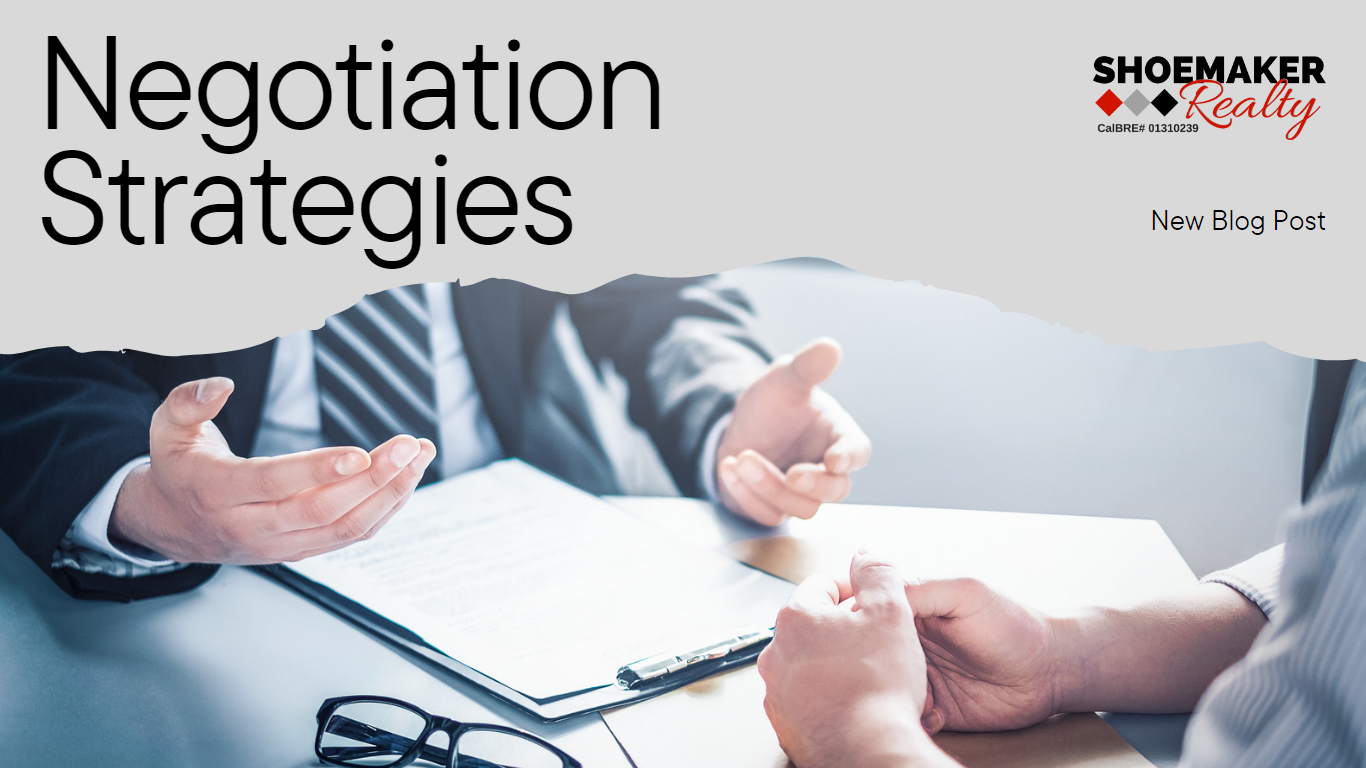
Negotiation is a crucial aspect of the homebuying process, and having effective strategies can help you secure a favorable deal. Here are some key negotiation strategies for homebuyers:
- Research and Preparation: Before entering negotiations, gather as much information as possible about the property, the seller's situation, and the local market. Research comparable sales, assess the property's condition, and identify any unique selling points or potential issues. The more prepared you are, the stronger your position during negotiations.
- Define Your Priorities and Limits: Determine your non-negotiables and priorities in advance. Consider factors such as price, contingencies, repairs, and closing timeline. Identify your upper limit and be clear on what you're willing to compromise on. This clarity will guide your negotiation strategy and help you make informed decisions.
- Start with a Strong Offer: When making an initial offer, consider factors such as market value, property condition, and competition. While you don't want to overpay, offering a strong and reasonable starting point can set a positive tone for negotiations and show your seriousness as a buyer.
- Understand the Seller's Motivation: Try to uncover the seller's motivation for selling. Are they in a rush to sell, relocating, or facing financial constraints? Understanding their situation can help you tailor your negotiation approach. For example, a seller in a hurry may be more open to a quick closing or a slightly lower price.
- Be Mindful of Timing: Timing can play a significant role in negotiations. Monitor the market and be aware of factors that may influence the seller's willingness to negotiate, such as the length of time the property has been on the market or changes in market conditions. Making an offer at the right time can give you an advantage.
- Stay Emotionally Detached: Buying a home can be an emotional process, but it's important to remain objective during negotiations. Avoid getting caught up in bidding wars or letting your emotions drive your decisions. Approach negotiations with a level head and focus on the facts and your predetermined limits.
- Focus on Win-Win Solutions: Aim for a mutually beneficial outcome where both parties feel satisfied. Look for creative solutions that address the interests of both the buyer and seller. For example, you could propose splitting repair costs or offering a faster closing in exchange for a lower price.
- Effective Communication: Clear and respectful communication is essential during negotiations. Clearly express your needs and concerns, and actively listen to the seller's perspective. Avoid personal attacks or being confrontational, as it can hinder productive negotiations. Maintain professionalism and seek common ground.
- Use Contingencies Wisely: Contingencies can protect your interests during the negotiation process. Common contingencies include home inspection, financing, and appraisal. Carefully consider which contingencies to include and be aware of their impact on the seller. Including too many contingencies may weaken your negotiating position.
- Be Willing to Walk Away: Sometimes, the best negotiation strategy is knowing when to walk away. If the terms and conditions are not aligning with your priorities or if the negotiation reaches an impasse, be prepared to move on. There are often other properties available, and being willing to walk away can give you more leverage.
Remember, negotiation is a dynamic process, and each situation is unique. Adapt your negotiation strategy based on the specific circumstances and be flexible in your approach. Working with a skilled real estate agent can also provide valuable guidance and expertise during negotiations.
How to Evaluate a Home's Resale Value